
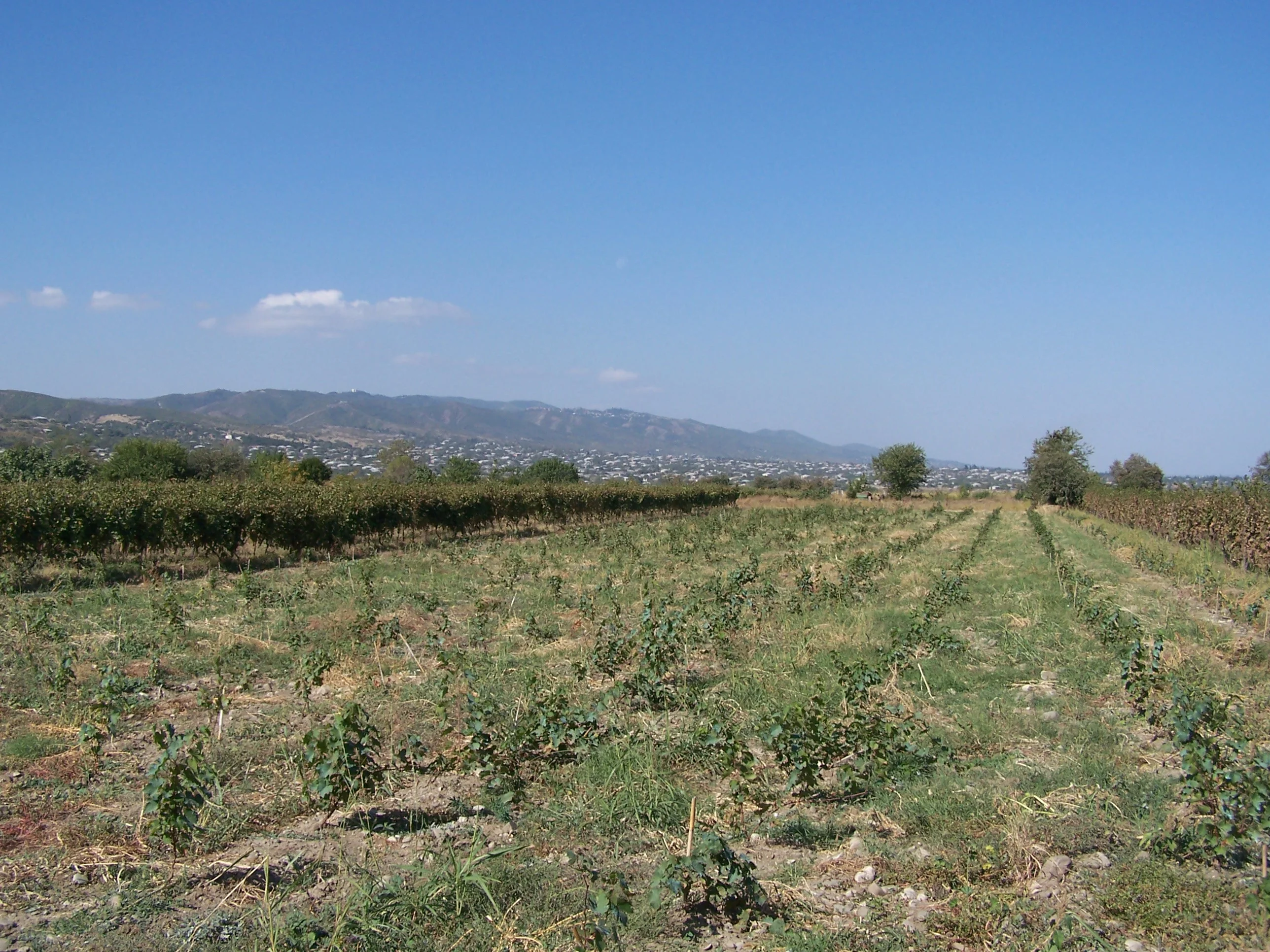
A harvest is a verb
In Kakheti, vintage is called rtveli, but the word should not be mistaken for a decorative festival label. It names work: judging fruit, gathering relatives and hired hands, moving grapes quickly, cleaning vessels and making decisions whose consequences will be tasted months or years later. Visitors may encounter music and a generous table, yet hospitality sits beside fatigue. The respectful traveller joins only through a winery or host that has deliberately invited participation and makes the terms clear.
The timing is never guaranteed by a brochure. Grape varieties, elevation and the weather of a particular year shape the sequence. Contact producers shortly before arrival and accept that rain or ripeness may change the plan. A staged demonstration can still be informative when honestly described; an active harvest can be inaccessible when the cellar needs concentration. Curiosity is best expressed through questions, not entitlement to a photogenic task.
The valley and the vessel
The Alazani Valley opens between the Gombori range and the Greater Caucasus, a scale that can make each stop look deceptively close. Telavi is a useful base because it behaves like a town rather than a resort, with markets, services and routes into wine country. Sighnaghi offers a different hilltop perspective. Treat them as places with distinct histories and daily lives, not interchangeable backdrops for the same tasting.
Georgia's qvevri tradition - fermenting and storing wine in large earthenware vessels - is recognised by UNESCO as intangible cultural heritage. That recognition describes living knowledge, not a single flavour or a guarantee of quality. Ask how each cellar uses its vessels, what is buried, how it is cleaned and which choices are traditional, contemporary or both. The most useful tasting compares methods while leaving room for producers to disagree.
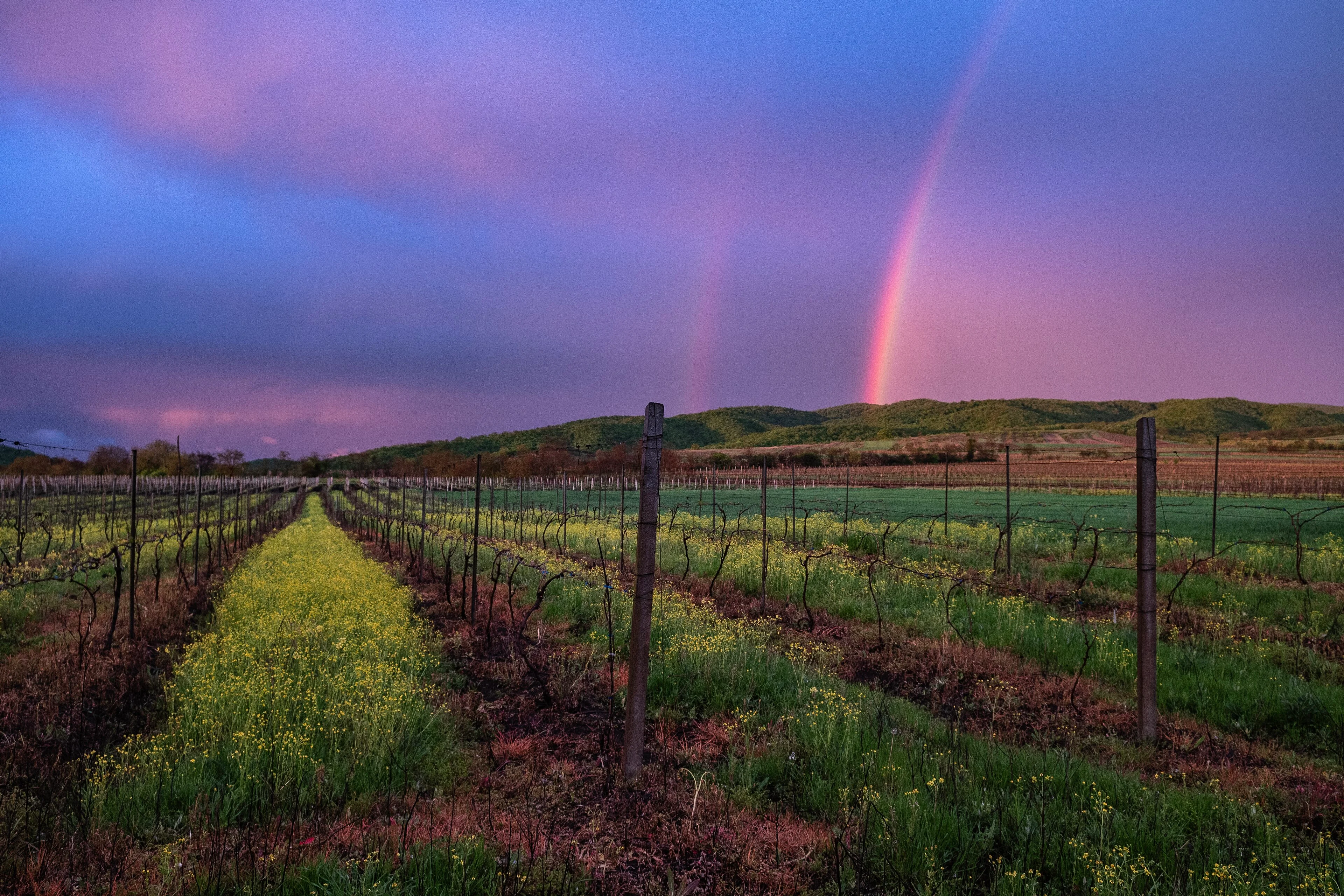
At the table
A supra, the Georgian feast structured by toasts, can be moving and convivial, but it is not an endurance contest arranged for outsiders. Follow the host, listen through translation and drink at a pace that keeps consent and judgement intact. Wine can be tasted without finishing every glass. Non-drinkers should be included without interrogation; a good host can make hospitality visible through food, water, conversation and time.
Kakhetian food gains meaning through sequence: bread, herbs, cheese, beans, grilled meat where appropriate, and dishes whose ingredients change with household and season. Avoid presenting one meal as the definitive Georgian table. Ask who cooked and where ingredients came from. Pay fairly for hosted meals, especially when the labour of several family members is hidden behind a single booking price.
“Harvest travel is most honest when it acknowledges the work that continues after the guests leave.”
Rivileo Journal
Monasteries and working towns
Wine routes cross a religious landscape. Monasteries are active places of worship, and dress, silence and photography guidance should be checked at the entrance. A guide can connect architecture to the region's political and spiritual histories without reducing every site to age and view. Allow time to sit outside the main buildings; the surrounding agricultural land often explains as much as the frescoes.
In Telavi, the market and neighbourhood streets counterbalance the formal tasting room. Shop for what can be eaten during the trip, use greetings without turning them into a performance, and photograph produce rather than faces unless permission is explicit. The town gives the wine route an everyday centre, which is why sleeping there can be more revealing than returning immediately to Tbilisi.
The road back over Gombori
Road conditions and driving culture deserve sober planning. Use a reputable driver if tasting, wear seat belts where fitted and avoid compressing the valley into a day of repeated pours. The Gombori route can be beautiful, but weather and darkness alter it. An overnight stay is not an indulgence; it gives the journey safer edges and lets a cellar visit become a conversation rather than a slot.
Leave Kakheti with names rather than a generic claim about “Georgian wine.” Record the producer, village, grape and method. Notice which bottles travelled easily and which were best in the room where they were poured. Harvest travel is most honest when it acknowledges what cannot be carried home: a particular year's weather, the people gathered around one table and the work already beginning again after the guests leave.
Reading the vintage beyond the glass
Kakheti is often introduced through the qvevri, the large earthenware vessel used in Georgian winemaking and recognised within UNESCO’s intangible cultural heritage framework. The vessel is not a shortcut to understanding every wine. Producers make different choices about grapes, skin contact, cellar hygiene and ageing, while some combine qvevri and European methods. Ask a host to explain the wine in front of you rather than treating “ancient” as a flavour. A thoughtful tasting makes room for technique, contemporary experimentation and the economics of a difficult agricultural year.
Harvest hospitality can blur the line between guest and worker. If a winery offers picking or pressing, establish what participation means, what footwear is safe and whether photographs are welcome. Do not enter a vineyard or cellar uninvited because the gate is open. Grapes arriving at the crush are time-sensitive, equipment is moving and teams may have no capacity to stage an explanation. Paying for an organised visit respects that pressure and creates the conditions for a better conversation than an improvised interruption.
Meals in Kakheti are frequently described through abundance, but hospitality should never become a demand that a host perform excess. Taste slowly, accept or decline wine clearly and arrange a driver before the first glass. Toasts at a supra have structure and meaning; a local guide or host can explain without turning the table into theatre. Notice bread, herbs, cheeses, preserves and vegetable dishes alongside grilled meat. The region’s table is agricultural knowledge made edible, not merely a test of appetite.
Distances between estates look modest on a screen, yet rural roads and tastings make an ambitious circuit tiring. Choose a compact cluster, stay nearby and leave time for Telavi’s market or a walk that is not attached to a cellar. Confirm whether a quoted tasting includes food and whether bottles can be shipped lawfully to your home country. The best souvenir is not the greatest number of labels. It is the ability to remember who made one bottle, where its grapes grew and what this particular September asked of them.
Keep one morning free of tastings. Walk a signed route near the chosen base, visit a civic museum or sit with coffee while deliveries move through the square. This pause prevents wine from flattening every encounter and leaves room for contemporary life. It also makes the next cellar conversation more attentive: palate rested, questions clearer and no pressure to convert hospitality into a competitive itinerary.
A thoughtful route
- Day oneArrive through the landscape
Cross to Telavi with daylight, settle in and use the market to understand the season.
- Day twoOne cellar in depth
Book a producer-led visit that explains qvevri practice, this year's harvest and pricing.
- Day threeVillage and monastery
Pair one religious site with a nearby town, leaving time for local rules and ordinary streets.
- DepartureTravel without tasting
Keep the return journey alcohol-free and allow weather margin on the Gombori road.