
A city between temperatures
Montréal can hold two seasons in a single day. Morning air on the mountain carries the first clean edge of autumn; by afternoon, a terrace can feel borrowed from July. Locals call a warm return after cooler weather an Indian summer, though “second summer” better describes the practical sensation without borrowing an Indigenous identity. The point is not a fixed meteorological event. It is the interval when the city keeps its outdoor habits while leaves and light begin to alter them.
Pack for the range rather than the average. A light layer, rain protection and shoes that tolerate damp paths will do more than a forecast screenshot. The city grid makes changes easy: when heat persists, move slowly between shaded streets and parks; when rain arrives, choose a museum, market or long lunch. Montréal rewards an itinerary built from neighbourhoods because each part can contain a complete day without unnecessary transit.
Mount Royal as common ground
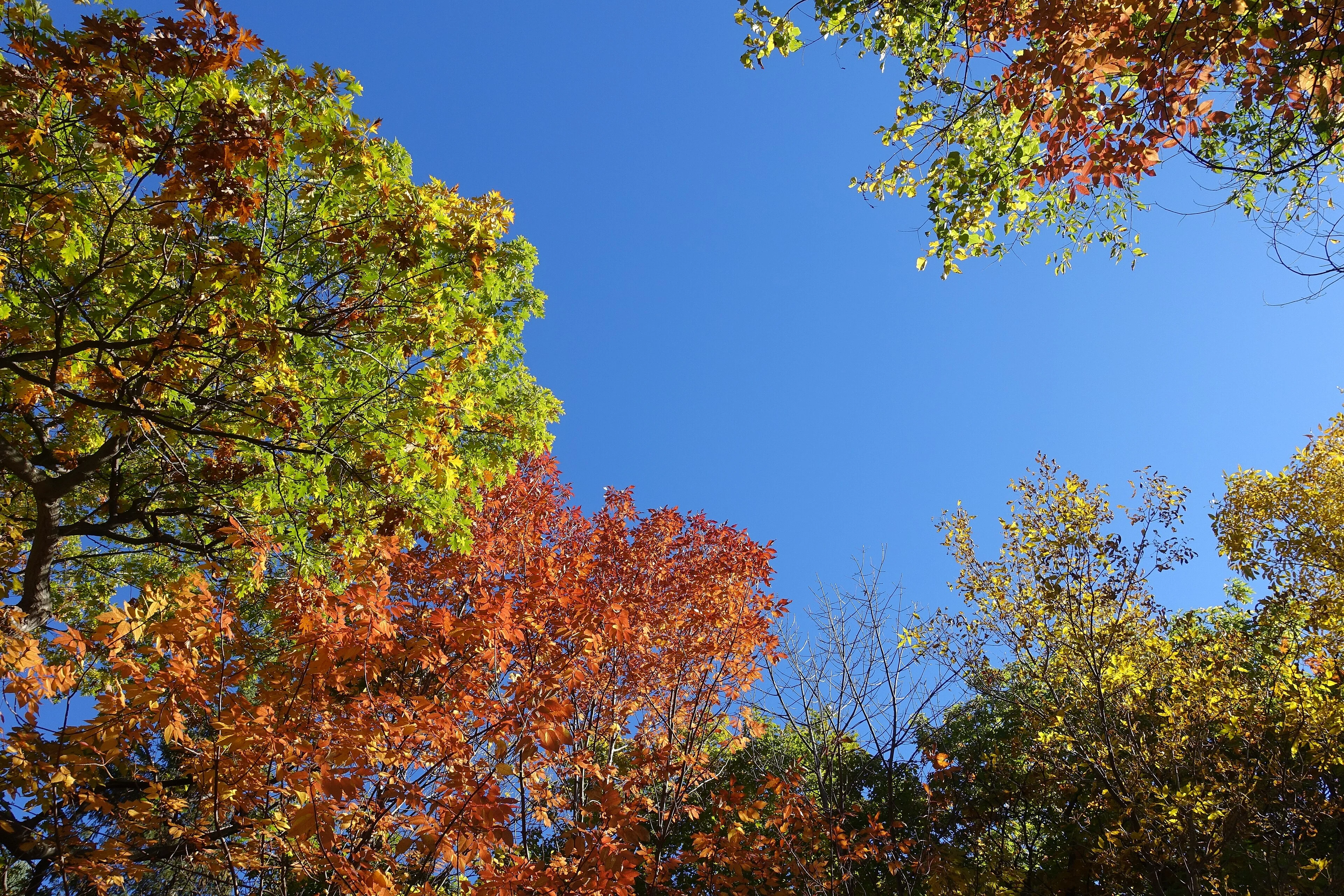
Mount Royal is both landmark and daily landscape. Its paths carry runners, families, cyclists, birders and visitors toward lookouts, woods and open spaces. Begin from a route suited to your mobility and time, follow posted trail guidance and keep to durable surfaces. Early colour is never guaranteed on a particular date; temperature, rain and tree species produce a sequence rather than a single peak. The pleasure lies in watching the city become visible through that transition.
The mountain also asks visitors to think beyond the view. It is a large urban park with ecological pressures and a long civic history. Dogs, bicycles, picnics and events have designated expectations. Check the city's current notices, carry waste out and avoid shortcuts that widen erosion. A lookout photograph is satisfying, but an hour among changing maples and quieter cross-paths offers the more complete measure of the place.
Neighbourhoods, not a relay race
Choose one district for each half-day. The Plateau and Mile End reward attention to stoops, murals, bakeries and small shops, but these streets are homes first. Old Montréal carries a different density of architecture and visitors. Little Italy and Jean-Talon Market connect food to regional growers and diasporic histories. The point is not to rank them; it is to give each enough time that lunch, public space and ordinary errands can belong to the same map.
Language is part of that attention. French is the city's public language, while Montréal is multilingual in practice. Begin with a greeting, listen and follow the speaker's cue without making language ability a test of anyone's welcome. Names and accents deserve care in notes and captions. Small courtesies keep cultural curiosity from becoming a demand for performance.
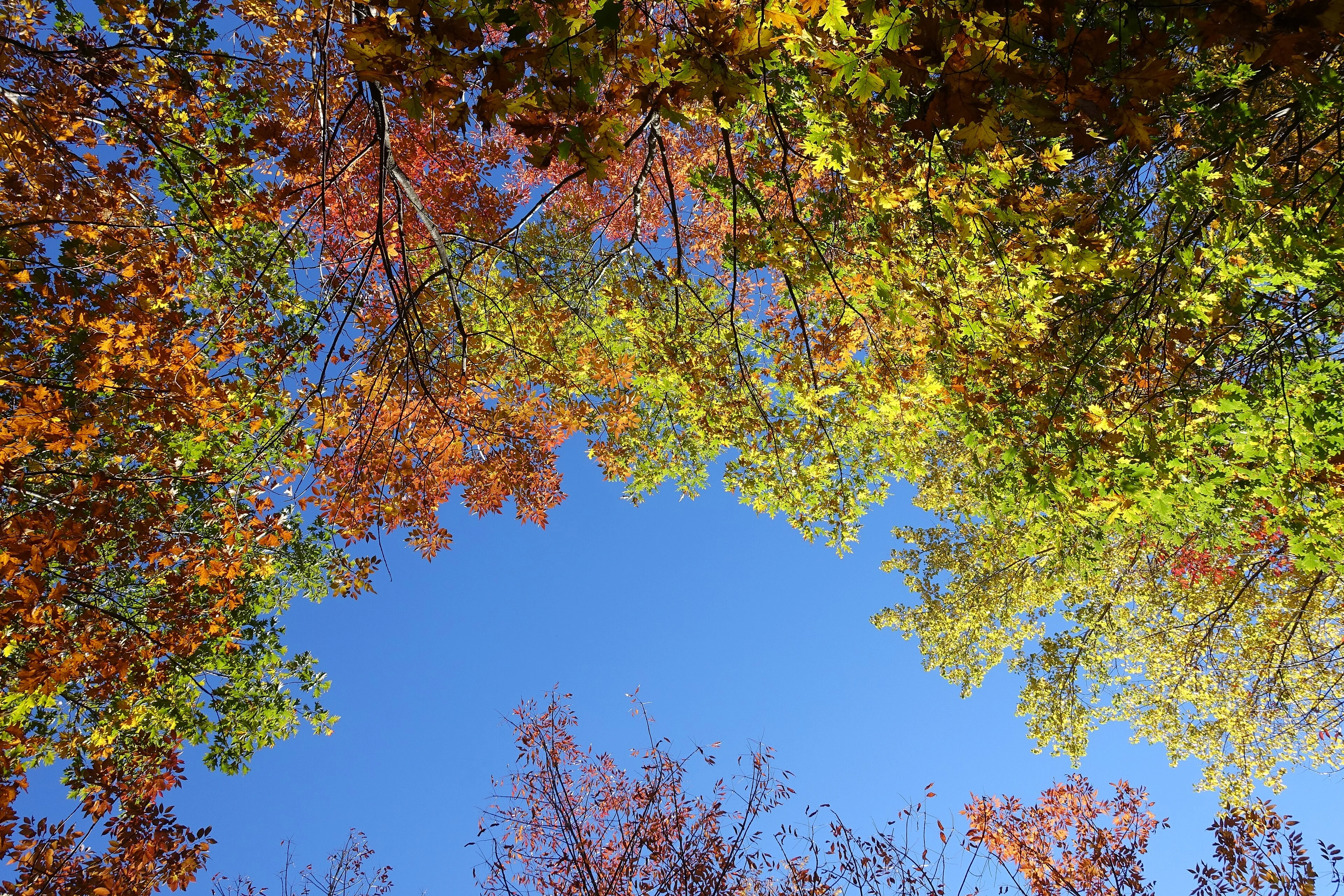
“The city keeps its outdoor habits while leaves and light begin to alter them.”
Rivileo Journal
The table at harvest edge
Early autumn reaches Montréal's kitchens through tomatoes, corn, apples, mushrooms and the last abundance of summer. Markets make the shift visible, though they are workplaces rather than staged food halls. Shop in quantities you can use, ask before photographing vendors and keep circulation clear. A picnic can be as revealing as a reservation when it is built from bread, fruit and something made nearby.
The city's dining culture cannot be reduced to a short list of famous foods. Québécois traditions sit beside Caribbean, North African, Middle Eastern, East Asian, South Asian and many other kitchens. Follow appetite through one neighbourhood rather than crossing the city for trophies. Book restaurants that need it, respect the difference between counter service and a lingering table, and describe a dish without claiming a whole culture from one plate.
A river city after dark
Evenings stay social while the air allows it. Walk toward the river or along a commercial street with an easy route home, noting that construction and festival closures can change familiar lines. The métro is the dependable spine for many journeys; use official service information and leave accessible seating and boarding areas clear. A rented bicycle can be excellent on protected routes, but autumn rain and earlier darkness should change the decision.
Montréal's second summer is not a promise of perfect warmth. It is a way of organising uncertainty around a city rich enough to absorb it. If the leaves remain green, the markets and neighbourhoods still hold. If rain arrives, culture moves indoors. If the evening cools suddenly, there is pleasure in recognising that the season has turned while you were at the table.
The city after the festival crescendo
Montréal’s warm September intervals are sometimes called a second summer, but the phrase is a mood rather than a forecast. Humidity can return, rain can settle in and evenings cool quickly beside the river. Pack for all three and let the day’s shape follow the actual sky. The most satisfying route may link a market, a shaded residential street and one museum, with enough slack to sit in a park when warmth arrives. Weather is not an interruption to the city; it changes which version of the city comes forward.
Neighbourhood walking needs linguistic and historical attention as much as appetite. French is the public language of Québec, while Montréal holds many languages and layered migration histories. Begin interactions in French where you can, and let people choose how to continue. Avoid treating Mile End, Little Italy, Chinatown or Parc-Extension as themed food courts. Independent businesses belong to communities dealing with rents, development and daily life. Buying lunch is welcome; claiming expertise after one afternoon is not.
Cycling offers an excellent scale for the canal and protected city routes, provided the network is read accurately. Montréal streets have one-way systems, construction detours and rules that differ from a recreational trail. Use current route maps, yield where required and dock shared bicycles only in valid stations. On the Lachine Canal, slow around walkers and families. The landscape carries industrial history as well as leisure, and stopping to read it produces a richer journey than racing between photogenic bends.
Food planning benefits from a light touch. Famous counters can have queues even after summer, and no single bagel, smoked-meat sandwich or market stall represents the city. Make one reservation that matters, then follow opening hours and neighbourhood proximity for the rest. Ask about accessibility where old shopfronts have steps, tip according to current local norms and do not hold a table longer than the room can afford. A second summer feels generous because it is brief; the traveller should answer that generosity with attention rather than consumption at speed.
A thoughtful route
- Morning oneMount Royal slowly
Choose a suitable path, allow for damp ground and stop before the lookout becomes the only purpose.
- Afternoon oneA market and its streets
Shop lightly, eat nearby and give the surrounding neighbourhood equal attention.
- Day twoOne district in depth
Link a museum or gallery to a long lunch and an ordinary commercial street.
- EveningFollow the temperature
Keep a terrace plan and an indoor alternative within the same part of the city.