
The island exhales
In early September, Naxos does not become empty; it changes register. The queues at Chora thin, the stone lanes hold their shade for longer and the evening ferry seems less like an event than part of the island's machinery. Summer is still present in warm water and bright terraces, but it no longer dominates every hour. Residents return to routines deferred by the busiest weeks, while farms and kitchens turn toward grapes, potatoes, cheeses and the work of autumn.
This is the appeal of arriving after August: not the fantasy of having the Cyclades to yourself, but the chance to understand Naxos as more than a beach sequence. The island is large by Cycladic standards, with a mountainous interior and villages whose scale asks for unhurried travel. Base yourself rather than changing rooms, and let the road inland become a story of altitude, cultivation and weather rather than a race between viewpoints.
Chora in the cooler hours
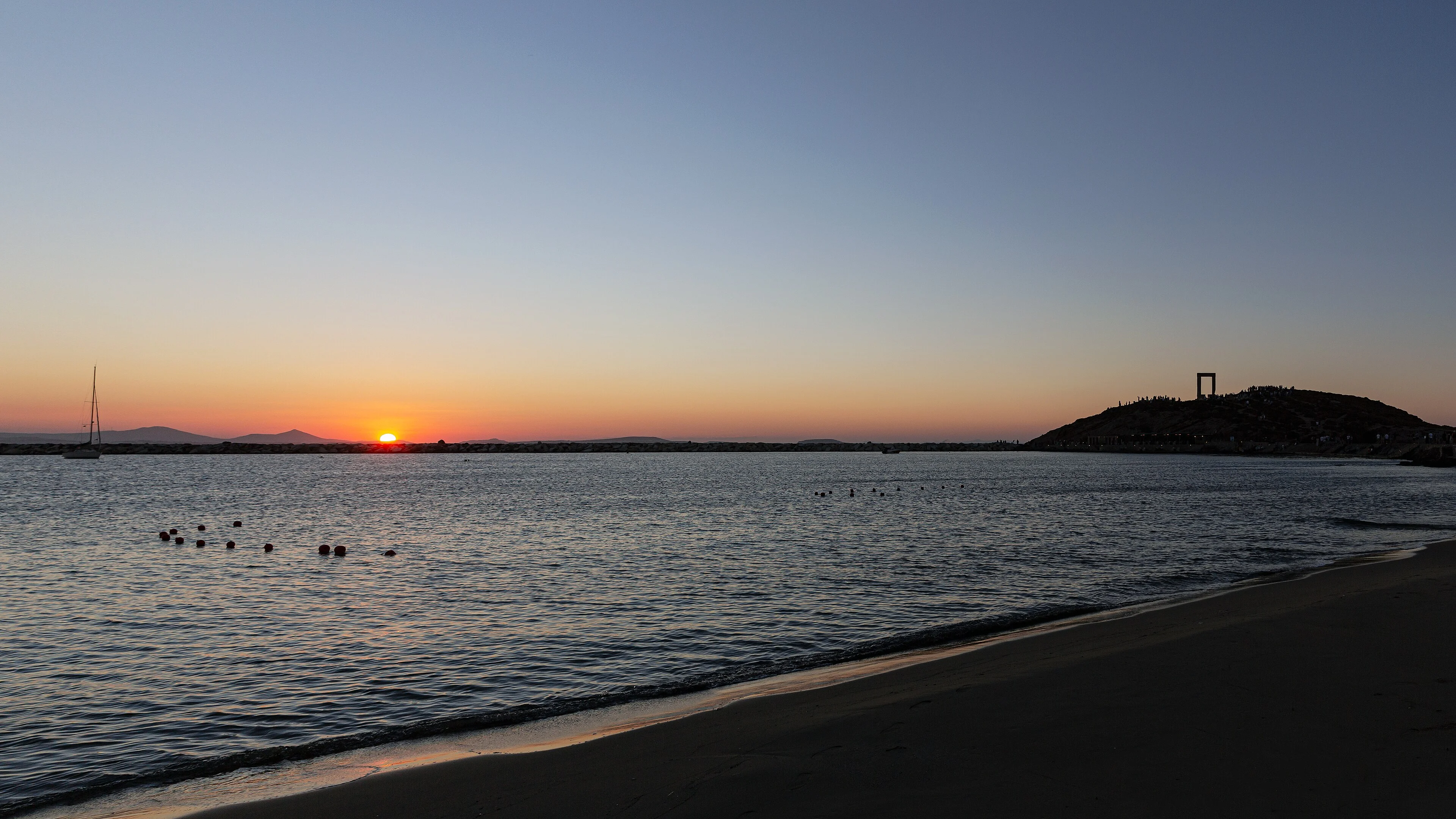
Chora is most persuasive at its edges of day. Walk the harbour before excursion traffic gathers, then climb slowly through the old settlement. The lanes are residential as well as historic, and sound travels between white walls. Keep doorways clear, lower voices at night and treat laundry, courtyards and rooftop life as private. The Portara, the monumental doorway associated with the unfinished Temple of Apollo, draws sunset crowds; the generous choice is to arrive early or return in morning light.
Use the town for practical orientation. Confirm bus schedules at the source, ask where seasonal service has changed and note the last return rather than the ideal outward departure. Shops and restaurants may shorten hours once peak demand falls. A closed door is not an inconvenience designed for the visitor; it is often recovery. Choose a few places that are open, spend without bargaining and return when the first meal was good.
A road into the middle
The interior replaces the island postcard with terraces, olive trees, marble country and villages folded into slopes. Apiranthos, Halki and Filoti are often joined into a driving circuit, but the distance on a map hides narrow roads and the pleasure of stopping. Pick two, not six. Walk only where access is public, park without blocking agricultural work and carry water even when the heat feels gentler than July.
Local food makes more sense in this landscape. Naxian potatoes, cheeses and citron products are not decorative traditions; they sit inside farming systems affected by cost, water and changing climate. A producer visit should be booked, paid and timed around the work rather than inserted into it. Ask what is being made now. “Seasonal” is useful only when it refers to the actual week, not a menu adjective.
“The island becomes larger when the itinerary becomes smaller.”
Rivileo Journal
The coast after the rush
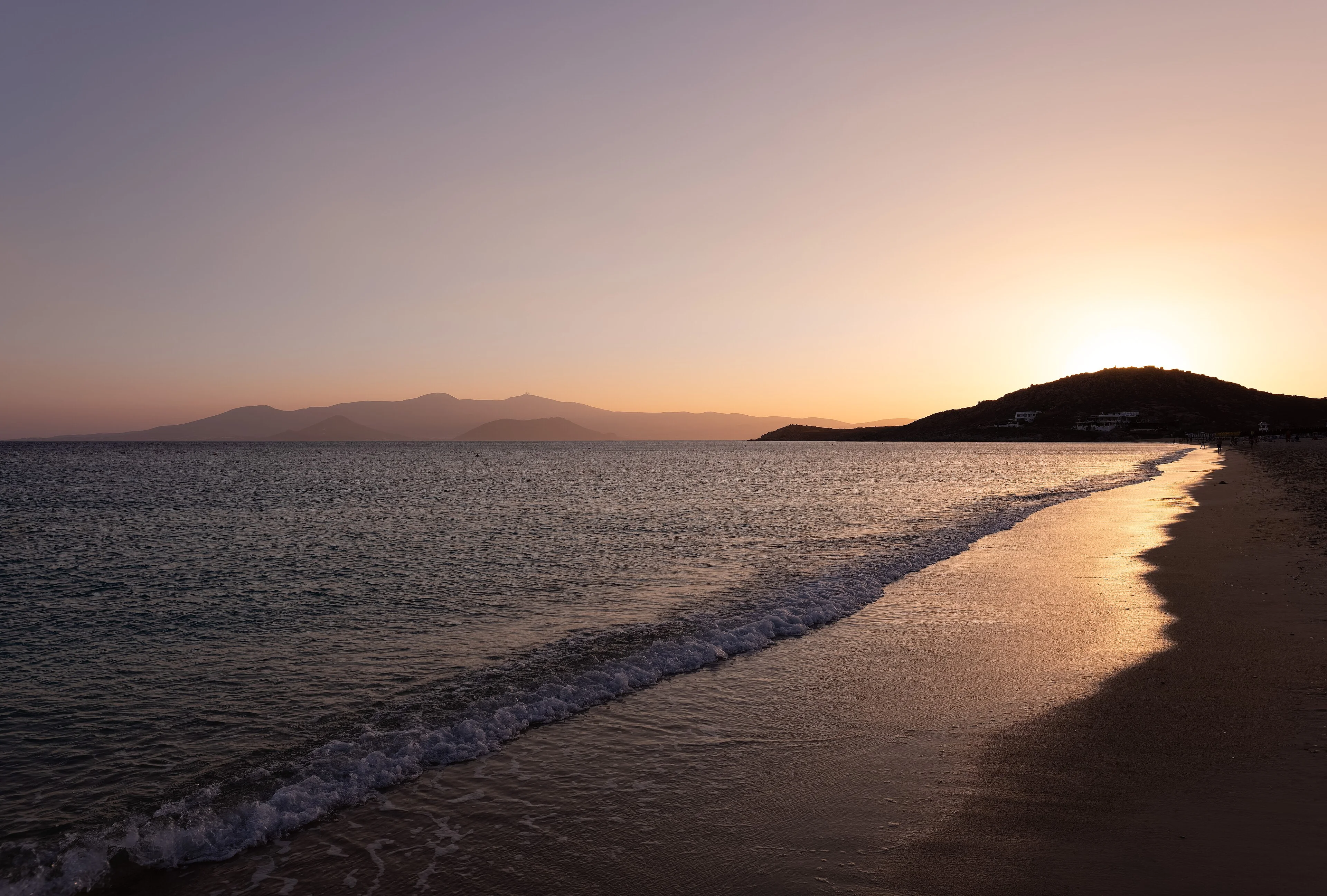
Agios Prokopios and the long south-western beaches can still deliver swimming days, but September introduces variability. Wind can change the character of the shore quickly, and reduced services may mean fewer lifeguards, boats or buses. Read flags and local notices, keep distance from dunes and never treat an uncrowded bay as an invitation to ignore conditions. The most beautiful plan may be a walk above the water rather than entry into it.
Beach businesses also move at different tempos. Some remain fully open; others reduce hours or close after a punishing season. Check directly and avoid building a remote day around an unverified listing. Carry what you need, take waste back and pay for facilities when using them. The quieter coast feels spacious precisely because it is not being asked to perform at full capacity.
Leaving margin for the ferry
Island itineraries are stitched by weather and transport. Build the final night on the island where an onward flight begins, or leave a substantial buffer before a fixed international connection. Ferry schedules can change and rough conditions matter more than optimism. Flexible tickets and insurance cost money, but so does emergency rerouting. The best bargain is often one fewer island and one calmer departure.
Naxos after August rewards that restraint. Watch the Portara turn gold without needing the centre of the crowd. Spend a morning inland and an afternoon close to your base. Return to the same table. The island becomes larger when the itinerary becomes smaller, because the spaces between its famous places begin to carry weight.
An island with an interior
The road inland is the useful correction to the postcard. Around Halki, Filoti and Apiranthos, terraces, olive groves and stone walls reveal an island shaped by farming as well as ferries. Villages are not interchangeable day-trip stops: each has its own scale, church calendar and relationship to the mountains. Park outside the tightest lanes where requested, lower your voice around homes and resist making a doorway into a portrait backdrop. A village square rewards an unhurried hour more than a race through three names on a map.
Walking can connect these settlements, but the apparent softness of the landscape should not disguise exposure. Shade is uneven, springs are not guaranteed and old paved paths meet modern roads without warning. Use a current route description, carry water and avoid setting out into heat simply because September appears outside the peak. If cloud or wind changes the plan, a small archaeological museum, a workshop visit arranged in advance or a long lunch made from local potatoes and cheese is not a consolation prize. It is another reading of the island.
The Portara at Chora is at its busiest when the sunset is most theatrical. Come earlier to understand the unfinished temple gateway in daylight, then decide whether joining the evening crowd adds anything. The causeway is exposed to wind and waves; barriers and local advice matter. Back in town, choose accommodation that is legal and considerate of housing pressure, and remember that the maze of lanes contains ordinary front doors. The most graceful night ends without turning residential alleys into an extension of the bars.
Leaving well matters too. Autumn ferry timetables thin, strong Meltemi winds can disrupt sailings and a same-day connection to an international flight leaves little mercy. Confirm with the operator, allow a night near the departure airport when the stakes are high and keep medicines and essentials with you. Naxos after August offers space, but not certainty. Its gift is the chance to see beach, village and field as one island system, held together by weather, work and the sea.
A thoughtful route
- Morning oneChora before the heat
Walk the harbour and old lanes, then see the Portara outside its busiest sunset hour.
- Day twoTwo inland villages
Choose a restrained circuit with time for a museum, a meal and the road itself.
- Day threeA wind-led coast
Select the beach only after checking conditions and the return bus or road.
- Final dayProtect the connection
Stay close to the departure port and keep weather margin before onward travel.