
Gold is a working colour
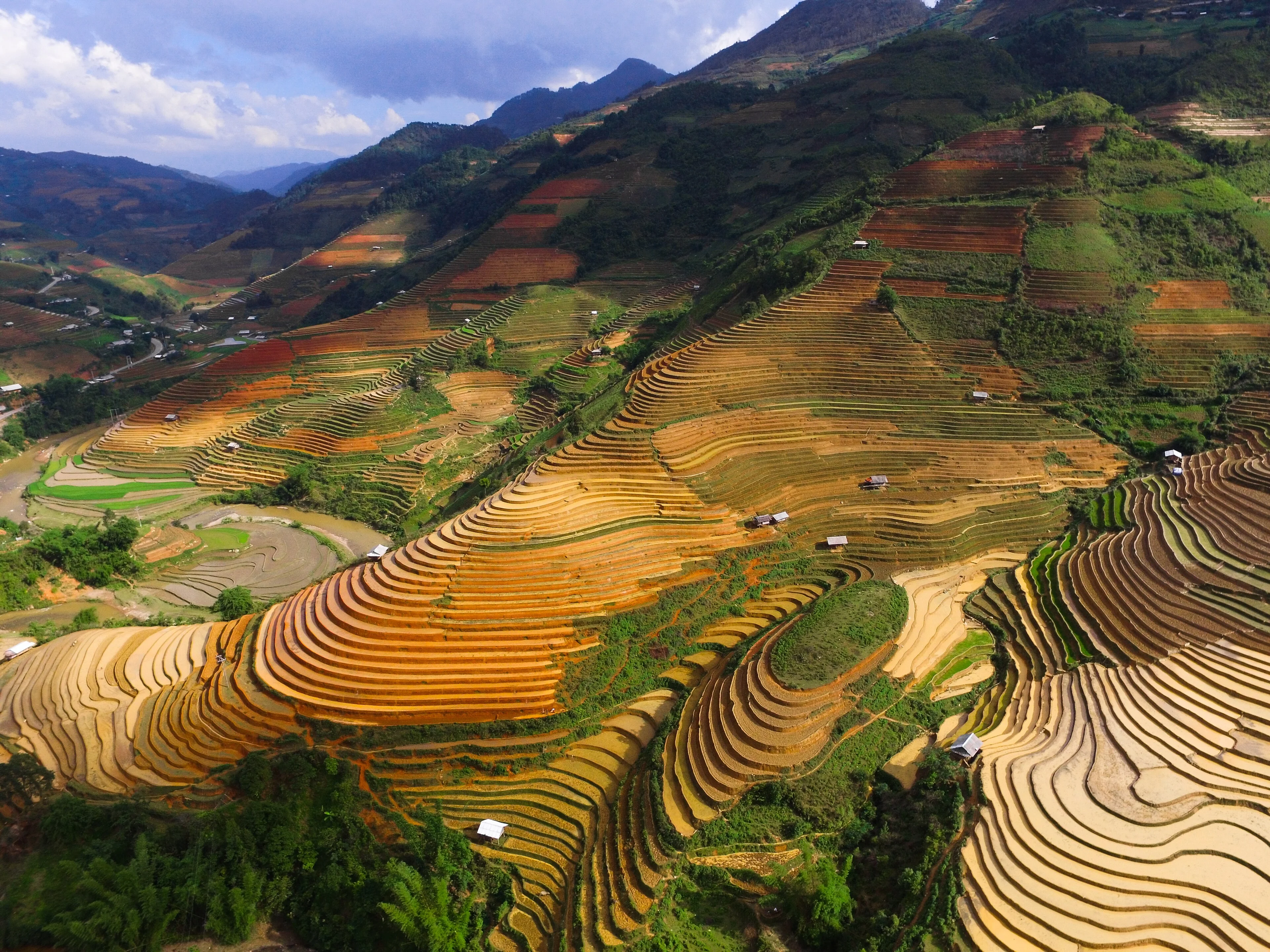
The terraced fields of northern Vietnam can turn from saturated green to gold before harvest, but the timing is local, brief and dependent on weather, elevation and planting. A national calendar cannot promise the colour of one valley on one morning. Travel should be built around the region rather than a single photographic condition. If harvest has begun, the landscape is not late. It is doing exactly what the farming year requires.
Rice terraces are infrastructure shaped through generations of labour and water management. Paths may be field access, not public trails, and narrow banks can be damaged by a careless step. Use a local guide where routes cross cultivated land, ask before entering and never block workers for a photograph. The most important rule is simple: the crop takes precedence over the image.
The road sets the pace
Mountain roads toward Mu Cang Chai and neighbouring districts demand conservative planning. Distance does not predict journey time, and rain, fog, landslides or road works can change conditions quickly. Use an experienced local driver, wear a helmet on any motorbike and avoid treating a winding pass as an attraction to be filmed while moving. Night driving adds risk and should not be the default solution to an overfilled itinerary.
Choose one base and several short excursions rather than relocating every day. This reduces luggage movement, keeps spending in one place and allows a weather delay without collapsing the trip. Confirm the standards of a homestay or hotel directly, including heating, hot water, stairs, bathroom privacy and meal arrangements. “Simple” accommodation means different things to different bodies and budgets.
Invitation, not access
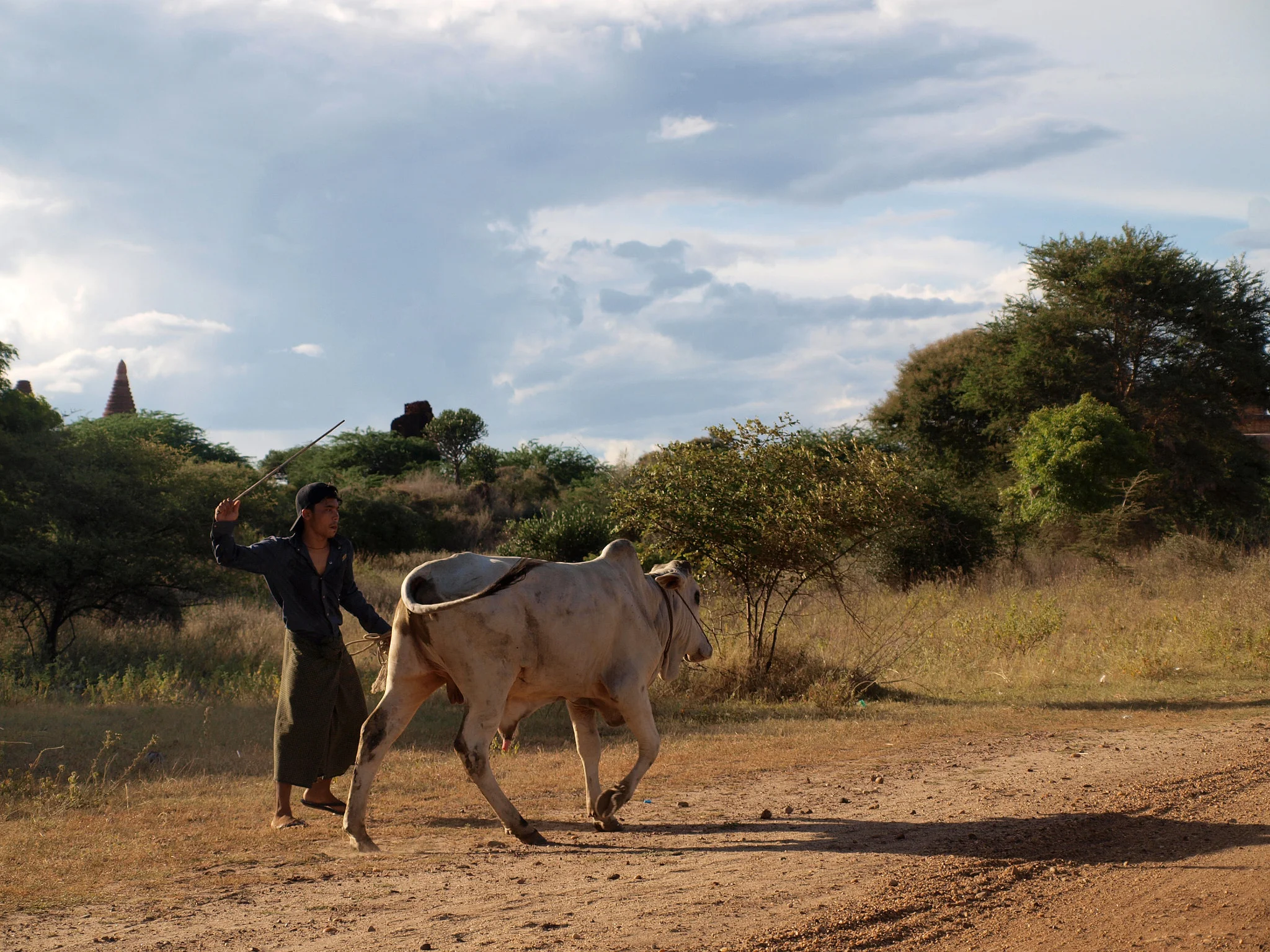
The northern highlands are home to diverse communities with distinct languages, clothing, agricultural practices and histories. They should not be compressed into a generic idea of “hill tribes.” Choose guides and stays that name communities accurately, explain payment and obtain consent for visits. Traditional clothing is not public property, and a market is not a costume set.
Ask before photographing anyone, and accept refusal without negotiation. Children should not be given money or gifts in exchange for images. If buying textiles or craft, ask who made the item, what materials were used and how the price is set. A purchase cannot prove an ethical supply chain, but transparent questions are better than a romantic assumption.
“The crop takes precedence over the image.”
Rivileo Journal
Weather in the terraces
Rain changes every surface. Terrace paths become slippery, visibility narrows and streams rise. Shoes with grip, a waterproof layer and dry storage are basic; judgement is more important. Follow local advice about closures and abandon viewpoints that require unsafe roadside stops. A clouded valley still offers sound, food, conversation and the close geometry of the fields.
Drones create particular problems around homes, livestock and workers. Current Vietnamese aviation and local restrictions must be checked, but legal permission alone does not create social consent. The easiest responsible choice is often to leave the drone packed. Ground-level images made from public places can retain context and avoid turning a community into an aerial pattern.
Harvest as a relationship
If a host offers a harvest activity, clarify whether it is participation, demonstration or observation, and follow instructions around tools and field edges. Pay the agreed fee and do not assume a meal is included simply because hospitality appears generous. Learn the names of dishes and ingredients without claiming one household represents the whole region.
Rice-gold season is compelling because beauty and necessity occupy the same ground. The terraces exist to feed families and sustain livelihoods; their visual power is a consequence, not their purpose. Leave with that order intact. A responsible photograph should remind the viewer of the people and systems beyond the frame, not erase them beneath a colour.
What the wide photograph leaves out
The famous terrace panorama compresses a complicated landscape into colour and line. Outside the frame are irrigation channels, seed choices, land tenure, household labour and the uncertainty of rain. A local guide can point out how water moves and why fields at neighbouring elevations ripen at different times. Listen before asking where to stand. Understanding even a fraction of that system changes the picture from decorative pattern into evidence of knowledge maintained year after year.
Festivals and markets may coincide with the season, but neither exists simply for visitors. Check dates through reliable local sources, follow directions around ceremonies and keep cameras lowered when attention would be intrusive. Crowded market aisles need space for trade; large bags and slow portrait sessions can obstruct them. Buy food or craft with curiosity about the maker, but do not turn bargaining into a performance. A small price difference may matter more to the seller than to the traveller.
Community-based tourism is a useful description only when ownership and benefit are clear. Ask who runs the stay, who guides, how activities are paid and whether visits to homes are invited. Platforms can hide these relationships behind a generic label. Privacy, fire safety, stairs, bedding and bathroom arrangements deserve direct questions before booking. Respectful travel is not achieved by accepting discomfort silently; it comes from making informed choices and ensuring hosts can accurately describe what they offer.
Build the final day with unusual generosity. Fog, a slow road or a vehicle problem should not create pressure on a driver to take risks. Return toward the main transport connection early, keep essentials accessible and avoid a tight domestic-to-international transfer. The terraces deserve time, but so does the journey out. Leaving margin is a form of care for everyone involved, and it prevents a beautiful rural visit from ending with speed demanded on roads least able to absorb it.
When sharing the journey, name the guide or community business with permission and describe conditions as specific to the visit. Avoid declaring a valley “undiscovered,” a phrase that erases the people already living there while inviting unmanaged attention. Do not publish coordinates for a private home or informal field path. The most useful account explains how consent was obtained, what was paid for and why some images were deliberately not made.
A final meal can gather the route without pretending to summarise it. Ask what is harvested now, who grew it and how the season has differed from expectation. Translate praise specifically and pay the price offered without turning generosity into a discount. The terraces will remain visually extraordinary, but the deeper memory should include the voices, decisions and labour that made the colour possible.
A thoughtful route
- ArrivalSettle before the viewpoint
Confirm road conditions, accommodation details and the next day with a local host.
- MorningWalk with permission
Use a local guide for field routes and let agricultural work set distance and timing.
- AfternoonLearn beyond the landscape
Visit an invited workshop, market or meal with clear payment and photography consent.
- Weather dayStay close
Use village-scale plans rather than forcing a pass or distant viewpoint in rain or fog.