
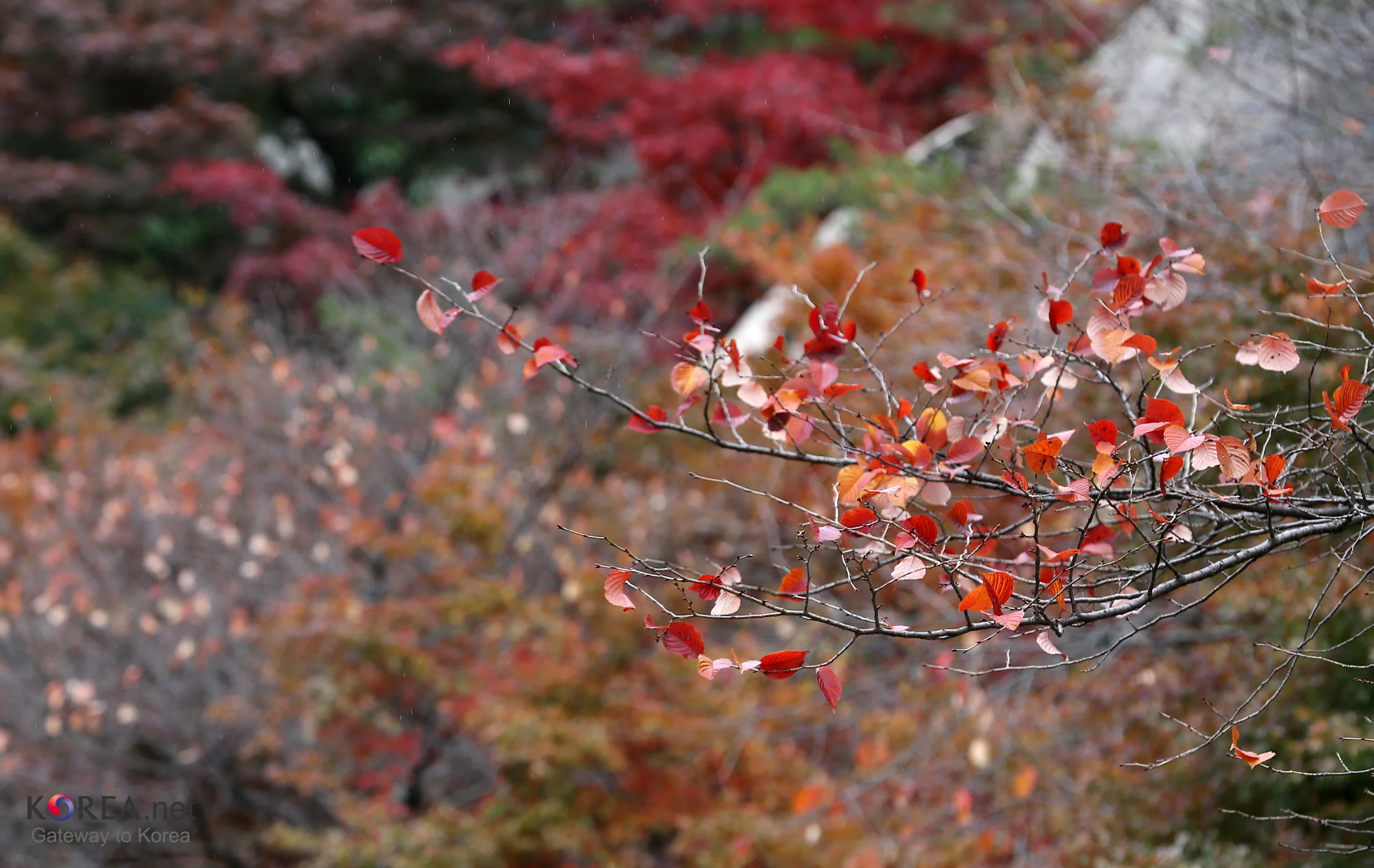
Ridges above the roofs
Seoul's autumn clarity can make the city appear newly assembled. Bukaksan and the surrounding ridges sharpen above dense neighbourhoods; palace roofs hold low light; the Han River opens a broad horizontal line through the towers. Clear air should never be assumed - daily air-quality conditions still matter - but when visibility improves, the geography becomes an organising tool. Mountains are not an excursion from Seoul. They are part of how the capital is seen, navigated and imagined.
Start with a modest height rather than a conquest. Sections of the Seoul City Wall and urban viewpoints offer different levels of effort, access and exposure. Check current opening restrictions, identification rules where applicable, surfaces and sunset time. Stairs can be prolonged and descents harder than climbs. A route that ends while public transport is frequent will feel more generous than one extended for a final photograph.
Palace time
The major palace grounds reward a morning with fewer commitments. Architecture is arranged through thresholds, courtyards and framed landscapes; rushing toward the most recognisable hall misses the logic. Confirm closing days and ticket information on official sites, observe areas restricted for conservation and remember that hired traditional clothing does not turn a historic place into a private photo studio. Leave passageways open for other visitors.
Nearby streets contain layers that are easy to flatten into “old Seoul.” Some hanok neighbourhoods are residential and have introduced visitor controls because noise and intrusion affect daily life. Follow signs, keep groups small and choose cultural spaces that explicitly welcome entry. Heritage survives through use, repair and regulation, not through the visitor's desire for an unobstructed frame.
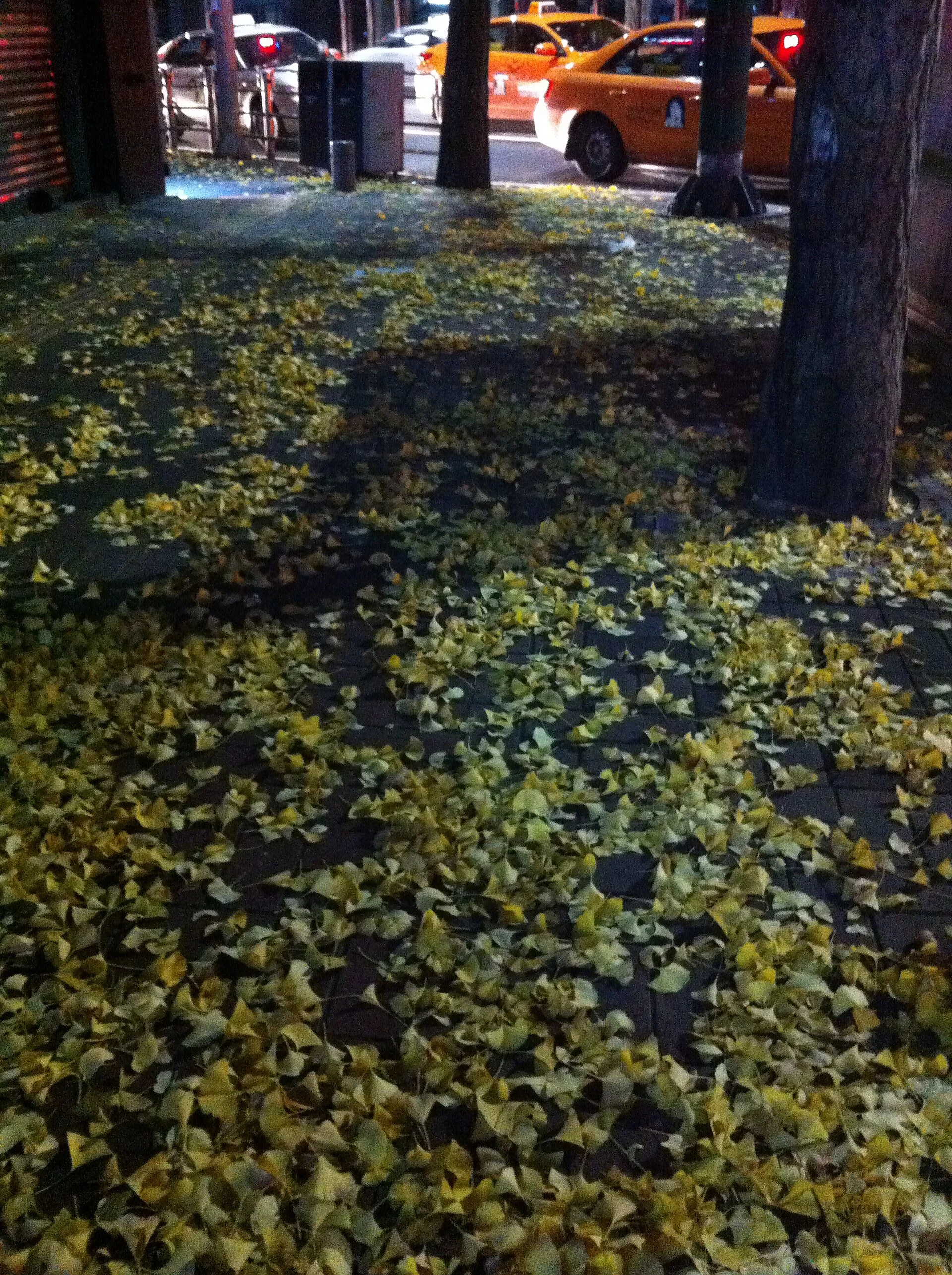
The city at street level
A market visit is most useful when it remains a meal, not a dare. Look, ask, order manageable amounts and return trays or dishes as directed. Seoul's food landscape ranges far beyond a few internationally famous plates, and neighbourhood specialities often make more sense with context from a guide or vendor. Allergies and dietary restrictions should be communicated clearly; translation tools help, but they do not replace confirmation when risk is serious.
Between meals, use the subway to connect compact walks rather than treating the entire city as one pedestrian challenge. Stations can be enormous and transfers long. Official route tools identify lifts and exits, but construction or crowding may still matter. Build time for the station itself, especially for travellers with limited mobility or luggage. The efficiency of Seoul becomes humane when it is not confused with haste.
“The efficiency of Seoul becomes humane when it is not confused with haste.”
Rivileo Journal
Along the river and streams
The Han River parks offer distance from the street without leaving the city. Choose a short riverside section near a transit stop, watch for fast bicycles and respect marked lanes. Evening picnics are part of local social life; dispose of waste carefully and avoid amplifying music into shared space. Weather on open water can feel colder than a sheltered forecast, particularly after sunset.
Cheonggyecheon provides another kind of water route through the centre. Its engineered restoration is worth understanding alongside the pleasure of the walk: urban infrastructure, public space and contested memory coexist here. Enter and exit where steps or ramps suit you, and leave during heavy rain or official closures. A pleasant path is still a managed watercourse.
Night without overreach
Autumn evenings invite one more district, but Seoul's scale punishes accumulation. Choose whether the night belongs to a performance, a neighbourhood dinner, a design street or a quiet river walk. Do not build all four into a relay. Check the final transit connection and remember that nightlife areas are also workplaces and homes. Consent matters in photography even when streets are crowded.
Clear air is a gift, not a guarantee. Let a hazy day turn toward museums, craft, food or contemporary culture rather than chasing a ridge. Let rain edit the walk. Seoul does not need ideal conditions to be compelling; the seasonal lesson is to notice how expertly the city offers another layer when the view closes.
Clarity at street level
Clearer autumn days can reveal Seoul’s mountain edges, but air quality remains variable and should be checked through current official data rather than assumed from the season. People with respiratory or cardiovascular conditions may need a different plan even when the sky looks blue. Keep an indoor alternative and understand the local alert scale before deciding on a ridge walk. Seasonal confidence is useful only when it remains answerable to measurements made that morning.
A palace visit gains depth when it is not compressed into a costume photograph. Check closing days and ticket rules, read the site’s history and give ceremonial spaces the calm they ask for. Hanbok rental can be an enjoyable part of a visit, but clothing should be handled respectfully and returned according to the shop’s terms. Do not photograph other visitors closely without permission. The frame may look historical; the people inside it are living their own present-day afternoon.
Neighbourhoods such as Euljiro, Seongsu and Ikseon-dong change quickly under the pressure of attention and redevelopment. A workshop frontage, print alley or old house is not automatically open to visitors. Follow signs, keep noise down and buy from businesses you enter rather than using them as free scenery. Pair newer design spaces with a museum or guided walk that explains labour, housing and industrial history. Seoul’s visual reinvention is most compelling when the older systems beneath it are not edited out.
For an evening route, choose one market or dining district and learn its rhythm. Some stalls specialise narrowly, shared tables have their own etiquette and waste sorting matters. If dietary needs are critical, carry a translated explanation and confirm ingredients beyond the headline dish; broths, sauces and side dishes can contain unexpected allergens or animal products. The reward for that preparation is ease. When the air turns clear, Seoul does not need to be conquered from dawn to midnight. One hill, one table and one long ride across the city can hold the whole day.
Use the subway as part of that long view. Allow lifts and accessible transfers extra time, keep priority seating available and avoid stopping at platform doors to reorganise the route. The network’s scale can tempt constant movement, yet a short surface walk between two stations often reveals more than another cross-city dash. Save the final train time before dinner, then let the neighbourhood decide what deserves the remaining hour.
A thoughtful route
- Morning oneA palace in sequence
Arrive near opening and follow courtyards slowly, checking the official closure calendar first.
- Afternoon oneMarket and neighbourhood
Choose one market meal and a nearby street rather than crossing the city between dishes.
- Clear morningA measured wall walk
Select a section suited to fitness, access rules, air quality and daylight.
- EveningThe river as horizon
Use a transit-linked park, keep bicycle lanes clear and carry an extra layer.