
The city notices first
Stockholm enters autumn by degrees. The water still throws summer brightness against facades, yet a jacket appears on the evening ferry and restaurant tables retreat from the shade. The shift is especially clear at the city's edges, where streets become quays and commuter boats share space with visitors. This is not the dramatic darkness of winter. It is a measured change, valuable because each day still offers room while asking you to use it deliberately.
Begin close to the centre and walk without crossing every island. Gamla Stan can absorb a morning, but its narrow streets are also routes to homes, offices and deliveries. Step away from the busiest spine, look for public courtyards rather than private ones and let the bridges explain the geography. Stockholm is not a collection of waterfront photographs; it is a city organised by water, with transport, access and weather tied to that fact.
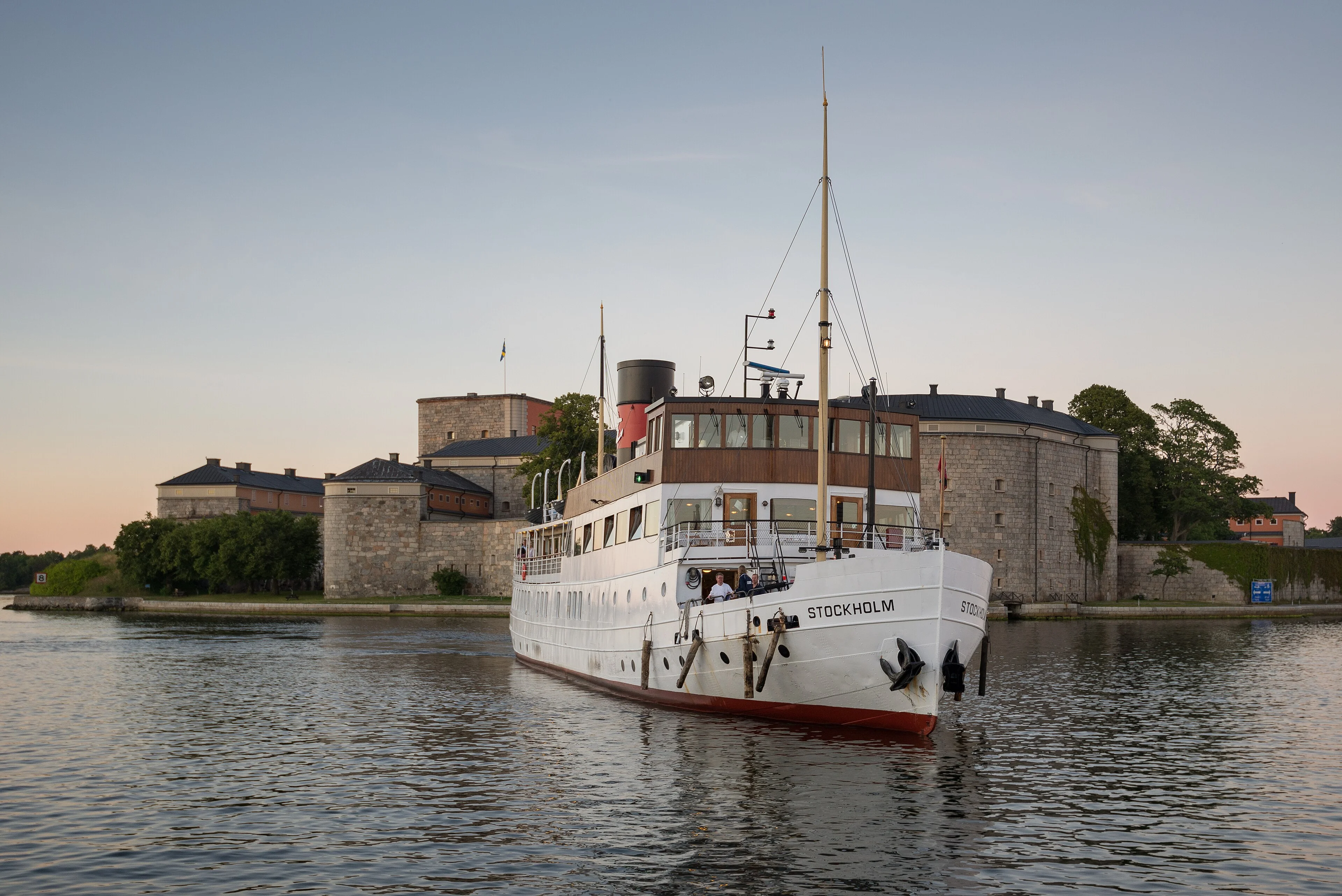
A ferry is part of the plan
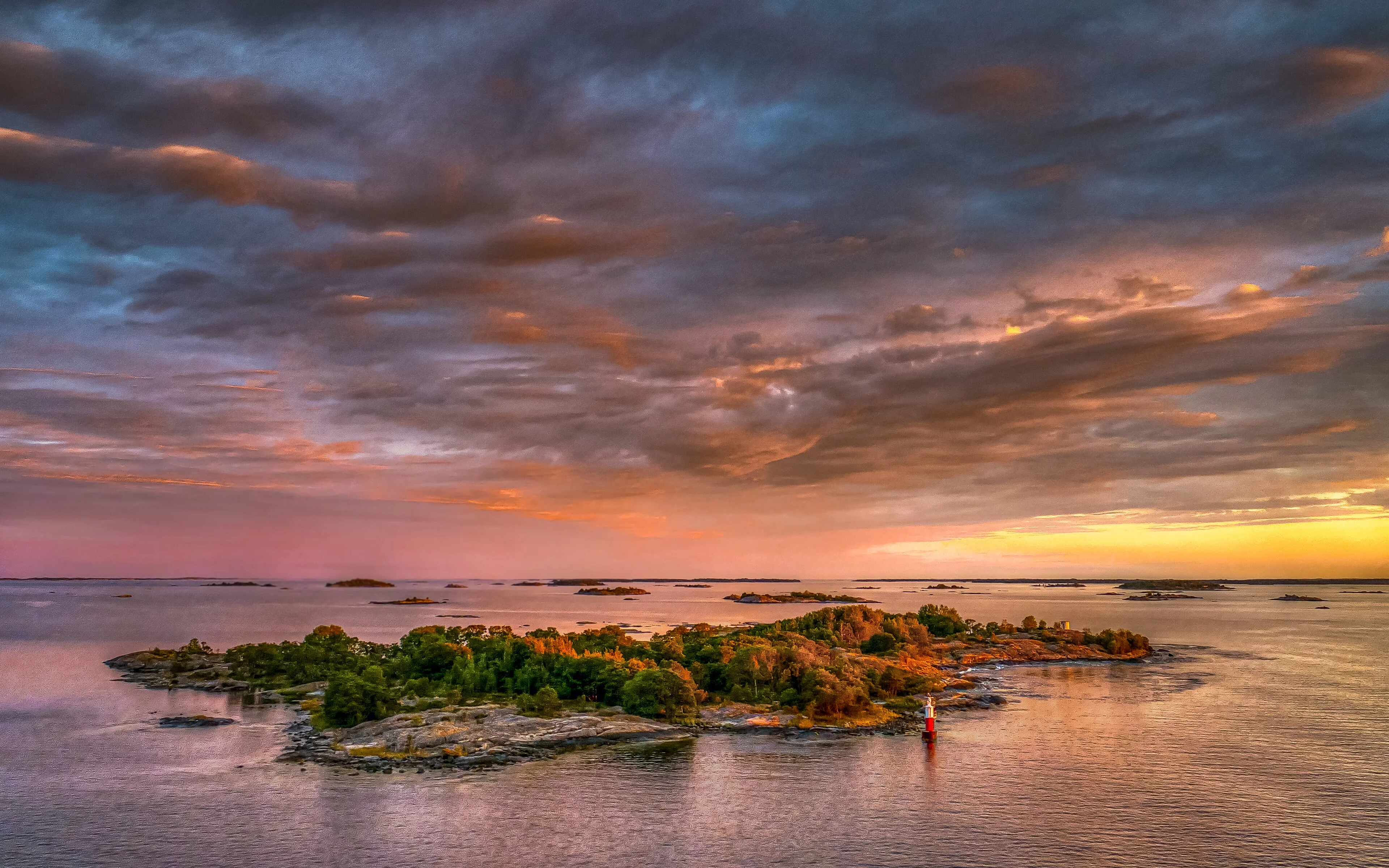
The archipelago invites ambition. Thousands of islands appear to promise endless choice, but late-season timetables are an argument for editing. Select one reachable island or reserve a simple round trip, then verify the operator's current schedule in both directions. The last boat matters more than the first. Wind, maintenance and seasonal reductions can reshape a day, so carry food and warm layers without assuming every summer kiosk remains open.
On board, stay attentive to the working route. Commuters, supplies and school journeys may share the vessel. Keep luggage compact, leave priority spaces available and move outside only where permitted. The most memorable section may be a narrow passage between wooded shores rather than the named destination. Water travel makes the city's scale legible without requiring a checklist of islands.
Museums after the weather turns
A good Stockholm day should survive rain. Choose one museum with enough depth to justify several hours and confirm its opening day. Collections on maritime history, design, art or urban life each reveal a different city; the choice matters less than the attention. Timed entry can protect popular visits, but leave the hours around it open so bad weather becomes a change of emphasis rather than a failure.
Museum islands and waterfront paths can be accessible in places and difficult in others, particularly where cobbles, gradients or boat gangways intervene. Read venue guidance, ask for the route that actually works and do not assume a historic entrance is the only one. The slower season offers space, but good access still depends on precise information.
“The last long evenings contain both possibilities: a ferry deck in sunlight and a warm room ready when it drops.”
Rivileo Journal
The evening moves indoors
Fika is often packaged as a charming pause, yet its usefulness lies in ordinary repetition: coffee, something baked and a table where nobody needs to optimise the next hour. Choose a neighbourhood cafe, respect laptop and table customs, and return. As the evening cools, the city's interior life becomes part of the journey - libraries, restaurants, concert halls and windows lit before the sky is fully dark.
Dinner need not become a hunt for a singular “Nordic” experience. Stockholm contains old institutions, immigrant kitchens, bakeries, bars and everyday dining rooms across many budgets. Book only what requires it. Ask about ingredients and dietary needs plainly. A seasonal menu is most interesting when it tells you something specific about the kitchen's suppliers and the week outside.
Keep the return simple
Public transport makes a low-friction city itinerary possible, but account for service changes and the distance between a picturesque shore and the stop home. Use official journey planning, particularly late in the day. If you have been walking on wet rock or uneven island paths, save enough energy for the final transfer. Slowness is not measured by kilometres on foot.
The last long evenings are valuable because they contain both possibilities: a ferry deck that still holds the sun and a warm room ready when it drops. Do not force the first at the expense of the second. Let the season choose the balance, and Stockholm will feel not like summer's remains but like a city turning gracefully toward its next form.
A city measured in crossings
Stockholm becomes legible through the repeated act of crossing water. A commuter ferry can be both public transport and a beautiful introduction, but routes, ticket zones and seasonal frequencies should be checked in the SL app or current operator information. Stand clear for passengers who are commuting, keep cycle spaces free and do not assume every quay is step-free. From the deck, the city’s islands appear close; on foot, bridges and shoreline detours can turn that visual proximity into a longer journey.
The archipelago deserves even more restraint. Late-season boats may make a day trip possible in one direction but not provide a forgiving return. Choose an island with services that are confirmed, carry lunch when appropriate and never rely on a cafe whose seasonal hours have not been checked directly. An overnight stay can make the transport more resilient and support a local business beyond the day-trip peak. It also lets the landscape change after the last boat departs, when the distinction between holiday island and home becomes clearer.
Back in the centre, museums give shape to a cool or wet afternoon. Timed entry can still matter, and a quieter month does not guarantee an empty gallery. Pair one substantial collection with a neighbourhood rather than assembling a cultural checklist. On Södermalm, Kungsholmen or Djurgården, public paths move between design, housing, allotments and working waterfront. Observe those layers without converting each one into content. People on a bathing jetty or outside a sauna retain their privacy even when the light is exceptional.
The last long evenings are best treated as changing rather than endless. Note sunset, allow for the sudden cool that follows it and make the final transit connection part of the plan. A reflective layer is sensible if the route returns by bicycle or along a shared path. Then release the compulsion to use every remaining minute. Stockholm’s seasonal pleasure lies in the visible contraction of the day: dinner begins while the water still holds light, and ends after the city has quietly drawn its boundaries closer.
If swimming is part of the day, use an established bathing place, check local water information and never let clear evening light disguise cold water or an awkward exit. Enter with company, know where the ladder is and warm up gradually. The city’s relationship with water is intimate, but intimacy comes from repeated local knowledge. A visitor earns only the safer, more modest version of that confidence.
A thoughtful route
- MorningRead the islands from the bridges
Walk a compact central route and learn the water geography before choosing a boat.
- MiddayOne ferry, one destination
Take a verified return route and leave enough time for the island beyond its landing.
- Rain planA museum in depth
Reserve one substantial collection rather than using several museums as weather shelters.
- EveningFollow the windows
Return to a neighbourhood table and let indoor city life replace the fading light.