
Quiet is not the same as easy
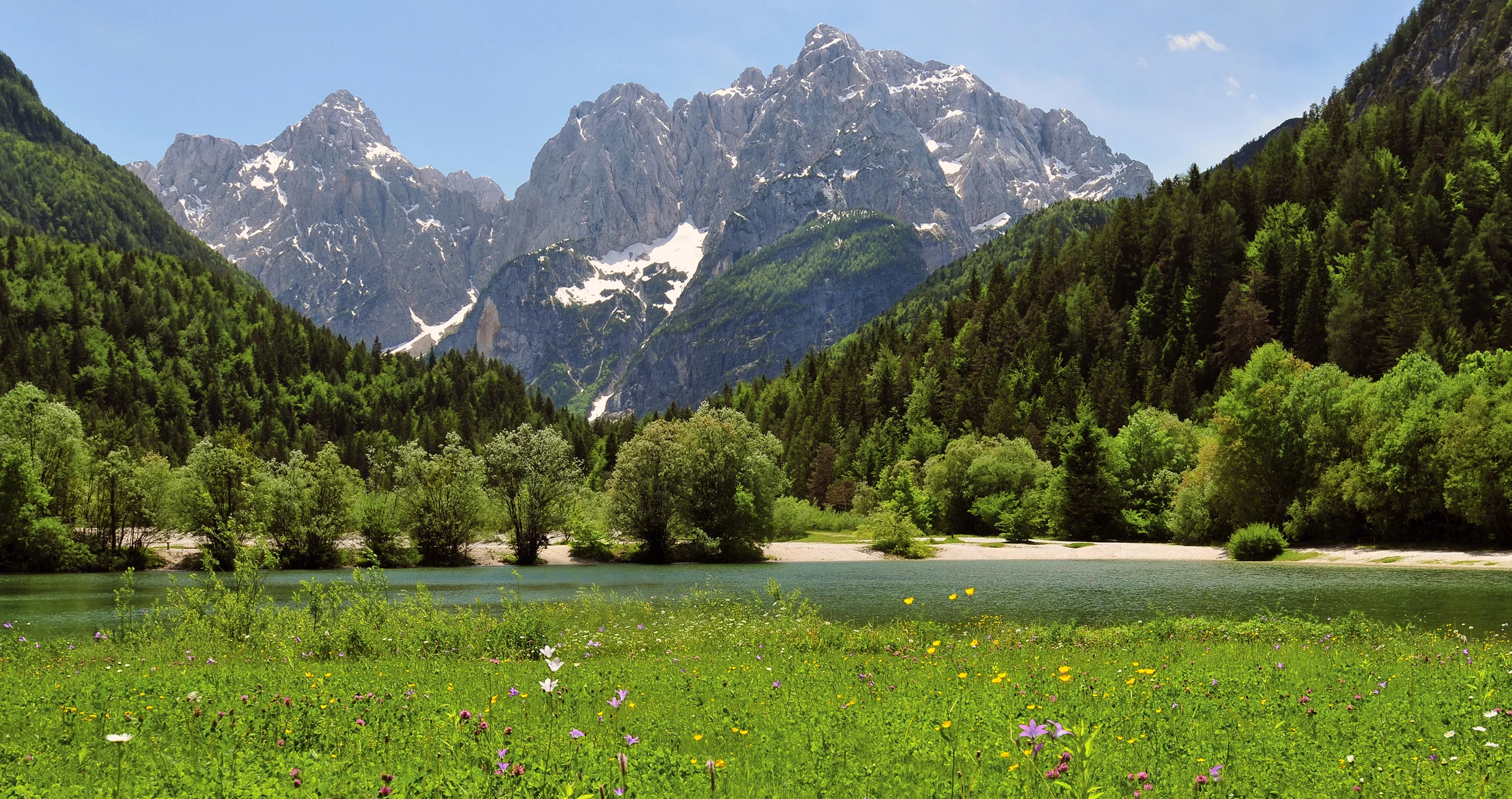
After the high summer weeks, the Julian Alps can feel newly spacious. Car parks loosen, popular viewpoints recover silence and the first colour enters the valleys. That quiet is real, but it does not make the mountains simpler. Daylight contracts, high huts reduce service or close, cold fronts arrive sharply and shaded paths keep moisture. An autumn route begins with current conditions, not with the photograph that inspired it.
Triglav National Park protects landscapes that are also farms, villages and water catchments. Follow marked routes, respect seasonal closures and carry waste out. Wild camping and fire rules are not softened by fewer visitors. If a trail is closed, do not invent a parallel line around the sign. The quieter season concentrates responsibility because damage is still cumulative even when nobody is there to witness it.
Choose a valley before a summit
A valley base gives the trip resilience. Bohinj, the Soča valley and settlements around Kranjska Gora each lead to different landscapes and transport patterns. Choose one area and learn its buses, weather stations and lower routes. A summit need not be the measure of success. Lakeside paths, gorges where open, cultural sites and short walks can reveal the mountain system without forcing height into unstable weather.
Driving creates flexibility but also pressure in narrow valleys and popular car parks. Use seasonal public transport where available, confirm whether a service still operates and park only in designated areas. Cyclists and walkers share roads with residents, forestry and agriculture. A slower vehicle journey is safer and more truthful to the place than rushing between trailheads.
The hut calendar
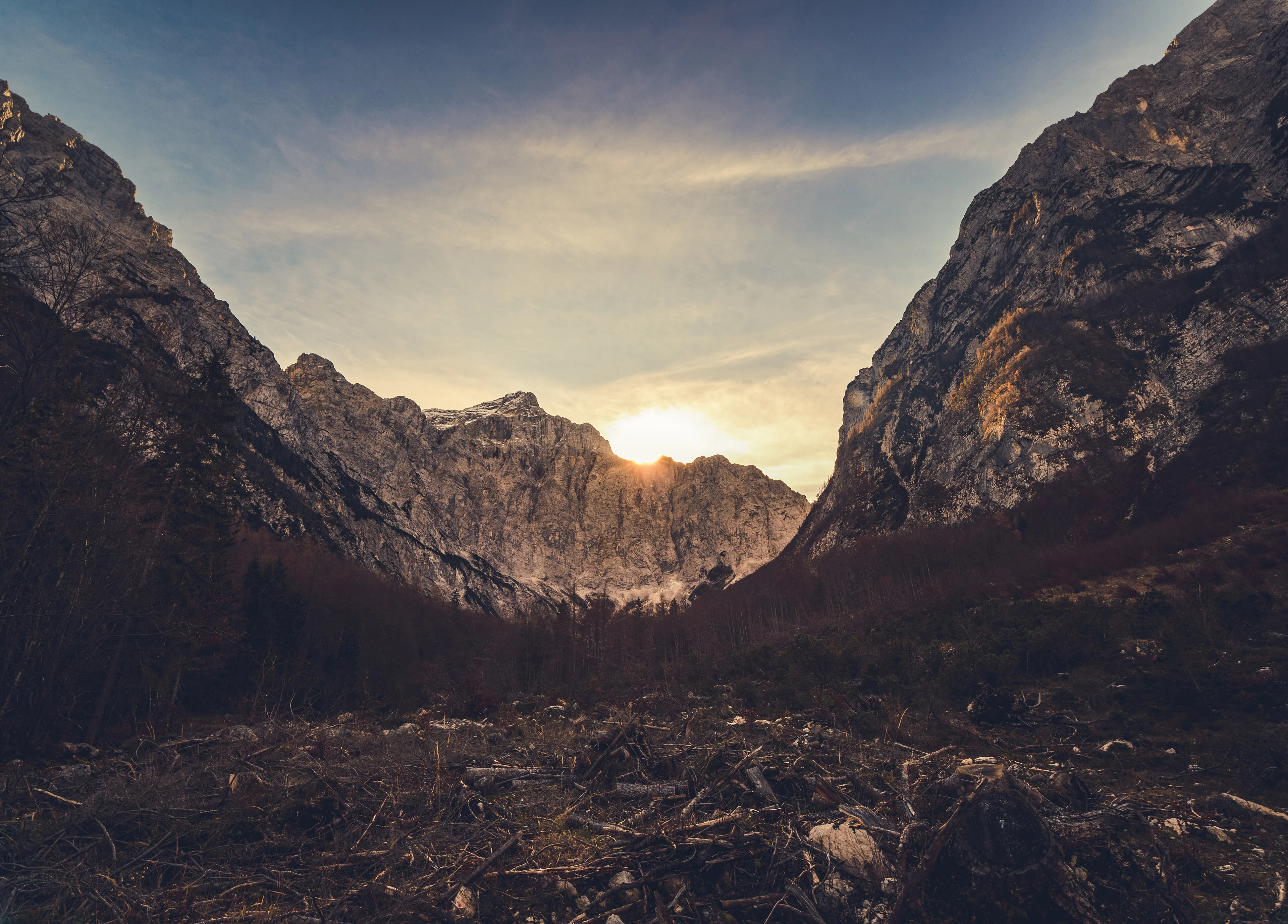
Mountain huts are often imagined as permanent refuge. In practice, staffing, water, supplies and weather determine their opening. Check the Alpine Association listing directly and contact the hut when it is essential to the plan. A map symbol does not promise a bed, meal or unlocked door. Carry enough food, water and insulation to manage the chosen route without assuming commercial support.
Overnight routes demand experience beyond fitness. Navigation, exposed terrain, early frost and rapid weather changes can turn a familiar distance into a serious day. Use a qualified local guide when skills or conditions require one. Turnaround decisions should be made before fatigue and summit desire begin negotiating. The strongest mountain story is often the one in which the group returned early and comfortably.
“A map symbol does not promise a bed, a meal or an unlocked door.”
Rivileo Journal
Water, limestone and restraint
The Julian Alps are shaped by limestone and water, from pale peaks to the colour of the Soča. Clear water is not necessarily safe or warm, and access around gorges and riverbanks can change. Follow barriers, avoid scrambling onto wet rock for photographs and use licensed operators for paddling or canyon activities. Helmets and buoyancy aids are minimums, not evidence that every condition is suitable.
Photography compresses scale, making a ridge look close and a valley empty. Keep the route visible in the frame of your decisions even when it disappears from the picture. Drones require current permission and may disturb wildlife or other visitors. The quieter the landscape sounds, the more intrusive a machine can become.
Stay for the lower weather
Build one spare day into a mountain stay. If the high route is unsuitable, use it for a museum, a valley walk, a train journey or a long meal with food from the region. This is not lost time. It is what allows weather to remain information rather than opposition. The plan becomes safer and the destination becomes larger than its most dramatic elevation.
After the high season, the Julian Alps offer clarity without guarantees. Larches may be turning or still green; a pass may be luminous or closed inside cloud. Travel for the range of possible days. The season's beauty lies in that range, and the traveller's task is to remain flexible enough to see it.
When the mountain removes its services
After the high season, a marked trail may remain while the human safety net around it thins. Huts close, cable cars reduce hours and staffed information points disappear. Treat each closure as a change to the route, not merely the loss of refreshments. Check with official park and mountain organisations, carry the correct topographic information and tell someone the plan. A walk that depended on a lift down or a hut overnight is no longer the same walk when either service ends.
Autumn temperature differences are amplified by height and shade. A valley start in shirtsleeves can lead to wind, ice or early snow above, while the return loses daylight faster than expected. Set a turnaround time before leaving and make it conservative enough for the slowest member of the group. Helmets, footwear or technical equipment only help when matched by skill. If the route crosses protected cables, exposed scree or snow, seek qualified local advice rather than extrapolating from summer reports.
Triglav National Park asks visitors to protect water, wildlife and quiet as well as themselves. Stay on designated routes, carry waste out and use official accommodation or campsites. Drones and close wildlife photography can disturb the very landscape visitors have come to admire. In villages, park where permitted and do not block agricultural access. Public buses or a single base can reduce pressure on the narrow roads while creating a calmer itinerary around Bohinj, Kranjska Gora or the Soča valley.
A weather day below the peaks is part of an alpine journey. Museums, lakeside walks, local food producers and low valley routes can explain how people live with the mountains rather than simply beneath their silhouette. Learn a few Slovene place names and check pronunciation; names contain geography that an English label can flatten. The Julian Alps after the high season are not an emptier edition of August. They are a landscape withdrawing conveniences and asking the visitor to replace ambition with judgement.
Waterfalls, gorges and lakes require seasonal care of their own. Wet boardwalks freeze, river levels change and apparently easy viewpoints may be closed for maintenance. Respect gates and use the designated approach rather than tracing an old social-media route. Around Bohinj and Jasna, keep swimming or paddling within current rules and clean equipment before moving between waters. A valley day is not automatically low risk simply because the contour lines are farther apart.
Before moving on, check how the next valley is reached rather than trusting the straight line on the map. Mountain passes can close or become inappropriate early, and a bus journey may require a connection outside the park. A final night near the onward railway is often wiser than one more distant dawn. It protects the driver, the connection and the calm the mountains were meant to restore.
A thoughtful route
- ArrivalLearn one valley
Check transport, park guidance and lower walks before committing to altitude.
- Stable dayTake the measured route
Match distance and exposure to the least experienced person and current conditions.
- Uncertain dayStay below the cloud
Use a lake, town, museum or short marked path as a complete day.
- Final morningLeave with daylight
Avoid a last-minute summit attempt and protect the onward connection.