
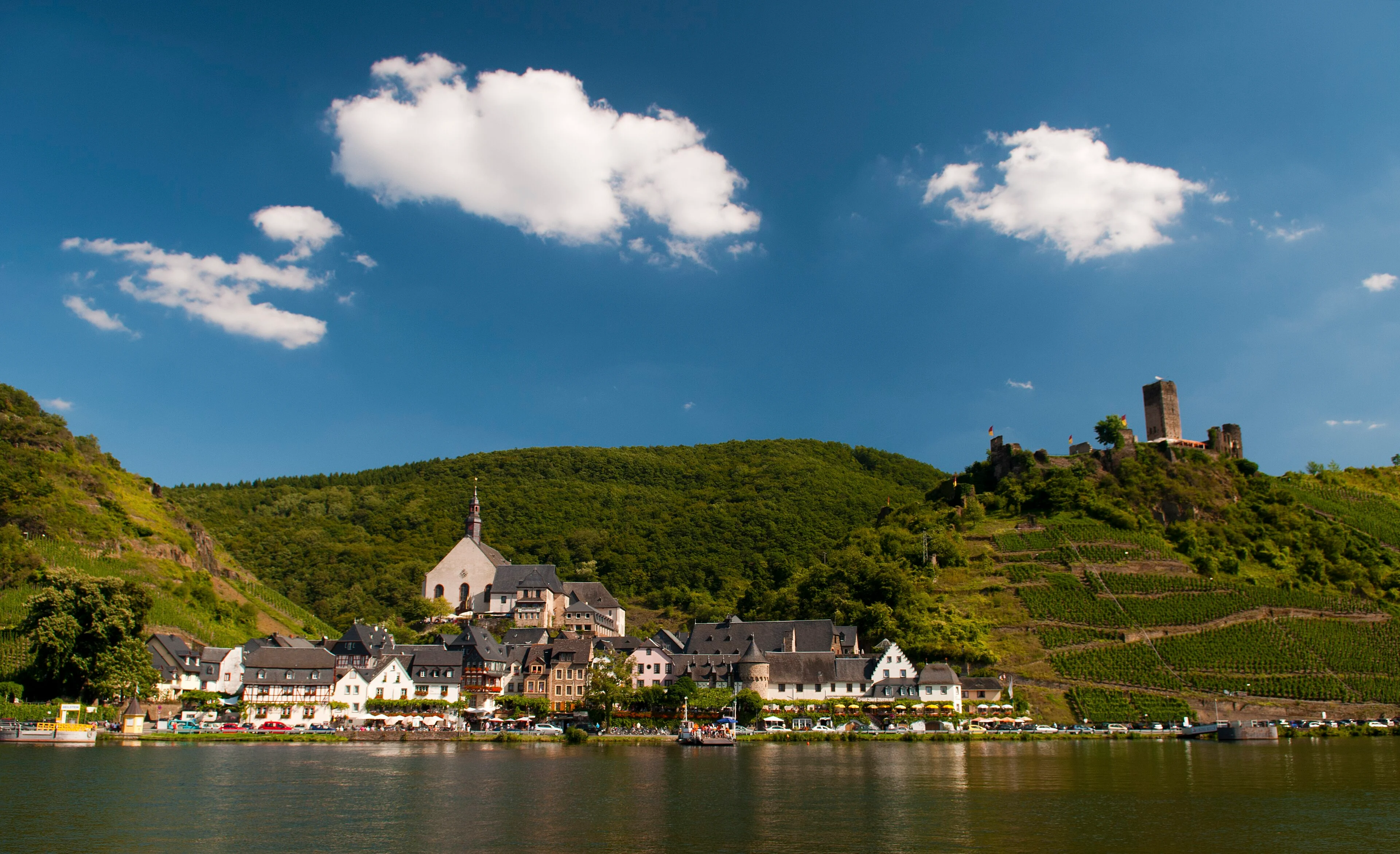
A river that refuses the straight line
The Mosel travels by curve. It bends past slate slopes, villages, locks and vineyards so steep that distance becomes a poor measure of time. A road itinerary can turn those curves into scenery between stops; rail, boat and walking reveal how settlements face the water and how the valley repeats without becoming the same. Choose a short section and let the river edit the ambition.
Early autumn adds urgency. Grapes approach harvest, tractors move on narrow lanes and cellar work reorganises the day. Visitors are welcome in many places, but the vineyard is not a public terrace. Stay on signed paths, keep equipment and access roads clear and never sample fruit without permission. A cluster that looks incidental may represent a year of risk and skilled work.
Rail as a sequence of villages
The regional railway makes a linear journey possible in sections of the valley, though engineering and geography mean it does not trace every river bend. Check the current timetable and understand where buses, boats or walking complete the connection. A day ticket can encourage spontaneity, but the last service still deserves a screenshot or offline note. Engineering works are part of the live journey, not a footnote to an old guide.
Select two villages rather than collecting platforms. Bernkastel-Kues offers historic fabric and a busy centre; smaller places such as Beilstein or Reil change the scale. Each has residents, deliveries and seasonal rhythms. Keep luggage out of doorways, use designated viewpoints and stay overnight if the route would otherwise become a sequence of arrivals without presence.
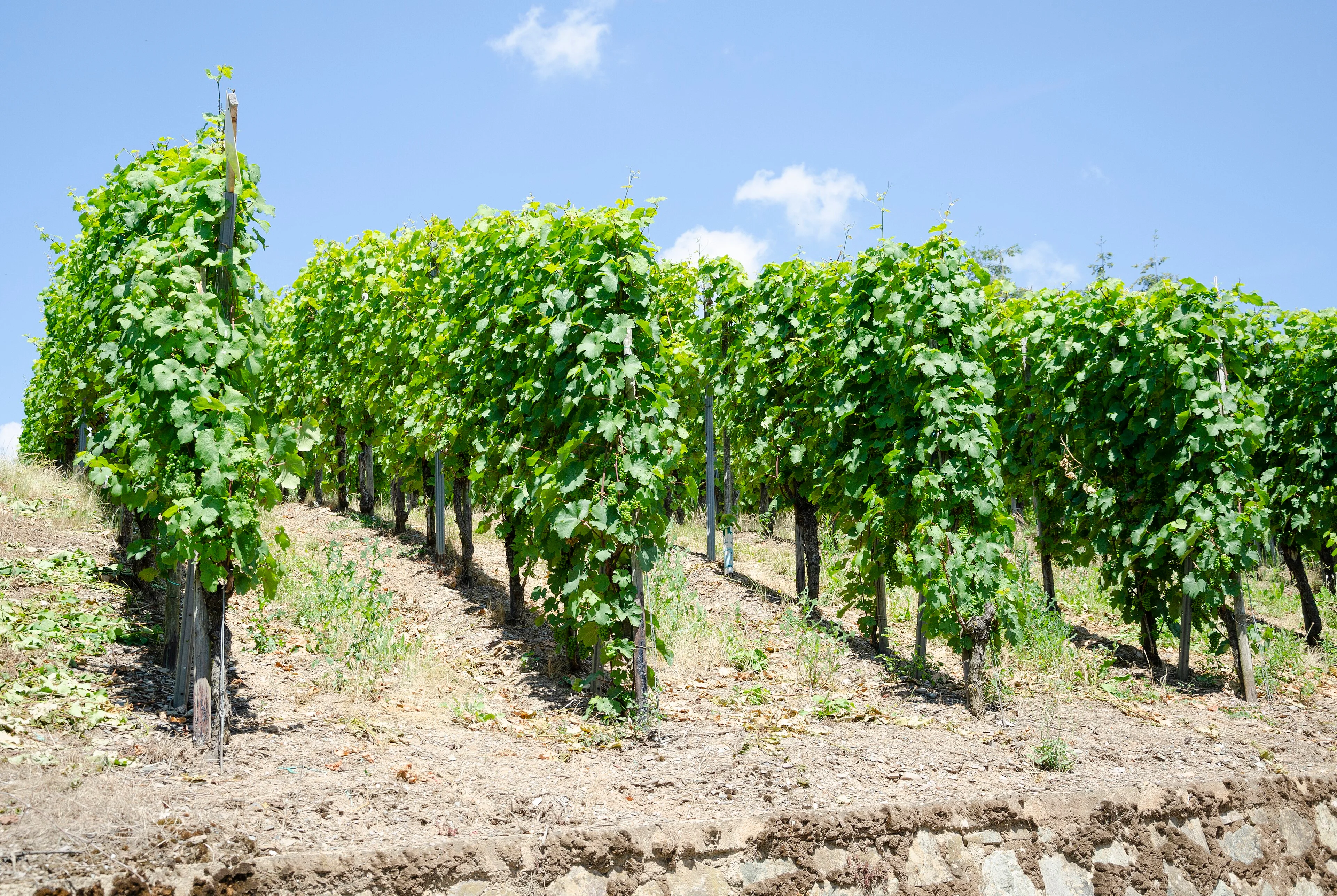
Reading a steep vineyard
The slopes explain the wine before the glass does. Aspect, slate, river reflection and labour all matter, but their effects vary by site and year. A producer or trained guide can make those differences precise. Ask which parcels are being harvested, how work is organised on steep ground and how warmer seasons are changing decisions. Avoid turning difficult manual labour into a picturesque synonym for authenticity.
Marked vineyard trails offer access without entering active rows. Wear shoes suited to loose surfaces and respect temporary closures during work. Walls and terraces can be fragile; drones and off-path shortcuts add risk and disturbance. From a public path, the wider view - river, village, road and vines together - tells a more complete story than a close-up taken where you should not stand.
“Choose two villages rather than collecting platforms.”
Rivileo Journal
Taste with geography
A tasting becomes useful when it distinguishes village, site, grape, vintage and method rather than treating Riesling as one flavour. Book ahead during harvest, when small producers may have little time for visitors. Spit or share pours when appropriate, drink water and never drive after tasting. Non-alcoholic options and clear inclusion for non-drinkers should be normal parts of the plan.
Food steadies the route. Bakeries, inns and seasonal menus connect wine country to ordinary appetite, but opening days can narrow outside summer and during family events. Verify directly. An unplanned closed lunch is manageable with food in the bag; it becomes unpleasant when the visitor expects a village to maintain services purely for passing demand.
One bend is enough
Cycling can join villages beautifully on designated routes, but shared paths, road crossings and wet leaves require attention. Choose a reputable hire, check brakes and lights, fit the route to confidence and give pedestrians space. E-bikes extend range without removing handling risks. A boat can provide the gentler alternative when schedules align.
The Mosel is most memorable when the river's repetition becomes familiarity: another slate wall, another church tower, another bend seen from a different height. Stay until one village changes between morning deliveries and evening tables. The journey does not need the whole valley. It needs enough time for a small section to become coherent.
The river as a patient itinerary
The Mosel’s loops make neighbouring villages appear close while rail, road and river follow different geometries. Choose a small section and learn its connections rather than chasing the length of the valley. Trains are useful on some banks, buses fill particular gaps and ferries or seasonal boats cannot be assumed. Current timetables matter, especially late in the day. A bicycle adds freedom but also level crossings, wet surfaces and wine traffic; lights, a helmet and restraint after tastings are essential.
Steep vineyards are remarkable because people work them under difficult conditions. Harvest vehicles need the lanes, crates and tools are not props, and narrow paths may close temporarily. Use signed walking routes, step aside early and never pick grapes. A grower who welcomes visitors can explain terraces, slate soils and the decisions of the vintage. That invitation is more valuable than trespassing for a view, and purchasing one carefully chosen bottle contributes more than collecting photographs from a dozen cellar doors.
Village restaurants and Straußwirtschaften operate on personal, seasonal schedules. Verify opening days, reserve when requested and understand that a limited menu can be a sign of focus rather than deficiency. Alcohol-free options and spittoons make a tasting more attentive, not less committed. If driving, abstain; legal limits do not measure fatigue or unfamiliar roads. Regional trains and a base within walking distance of dinner allow the wine to remain part of the landscape rather than becoming a transport risk.
Beyond wine, look for Roman history, river ecology, orchards and the engineering that has shaped trade and flooding. The valley is neither preserved stage set nor continuous vineyard. Residents deal with tourism, climate stress and the practicalities of life along a constrained river corridor. Stay two nights, shop for ordinary provisions and walk out again in different light. Village by village is not a promise to tick off every village. It is permission to let a small distance become sufficient.
Flood history deserves attention. Markers on walls and local exhibitions record a river capable of exceeding the picturesque frame, while changing rainfall and temperature affect both settlements and vines. Check current warnings after sustained rain and never enter a closed riverside path. Listening to how a host describes recent seasons can connect the glass, the slope and the river more honestly than a tasting note that treats climate as background.
Carry the names of the villages in their correct form and note which bank each connection serves. Small acts of orientation reduce unnecessary taxi journeys and the temptation to hurry across a road or railway. They also make conversation easier: a host can correct a precise plan more readily than a vague ambition to “see the Mosel.” The valley rewards travellers who arrive knowing how little of it one day can honestly contain.
A thoughtful route
- Day oneArrive by rail
Settle in one village and walk the river edge before choosing the next day's route.
- Day twoVineyard with context
Join a booked producer or guide, then follow only marked public paths.
- Day threeOne bend by boat or bicycle
Choose the mode after checking weather, timetables and the group's confidence.
- Final eveningReturn to the same table
Let familiarity, not distance covered, be the measure of the route.